
My “beef” with the recent protein trend
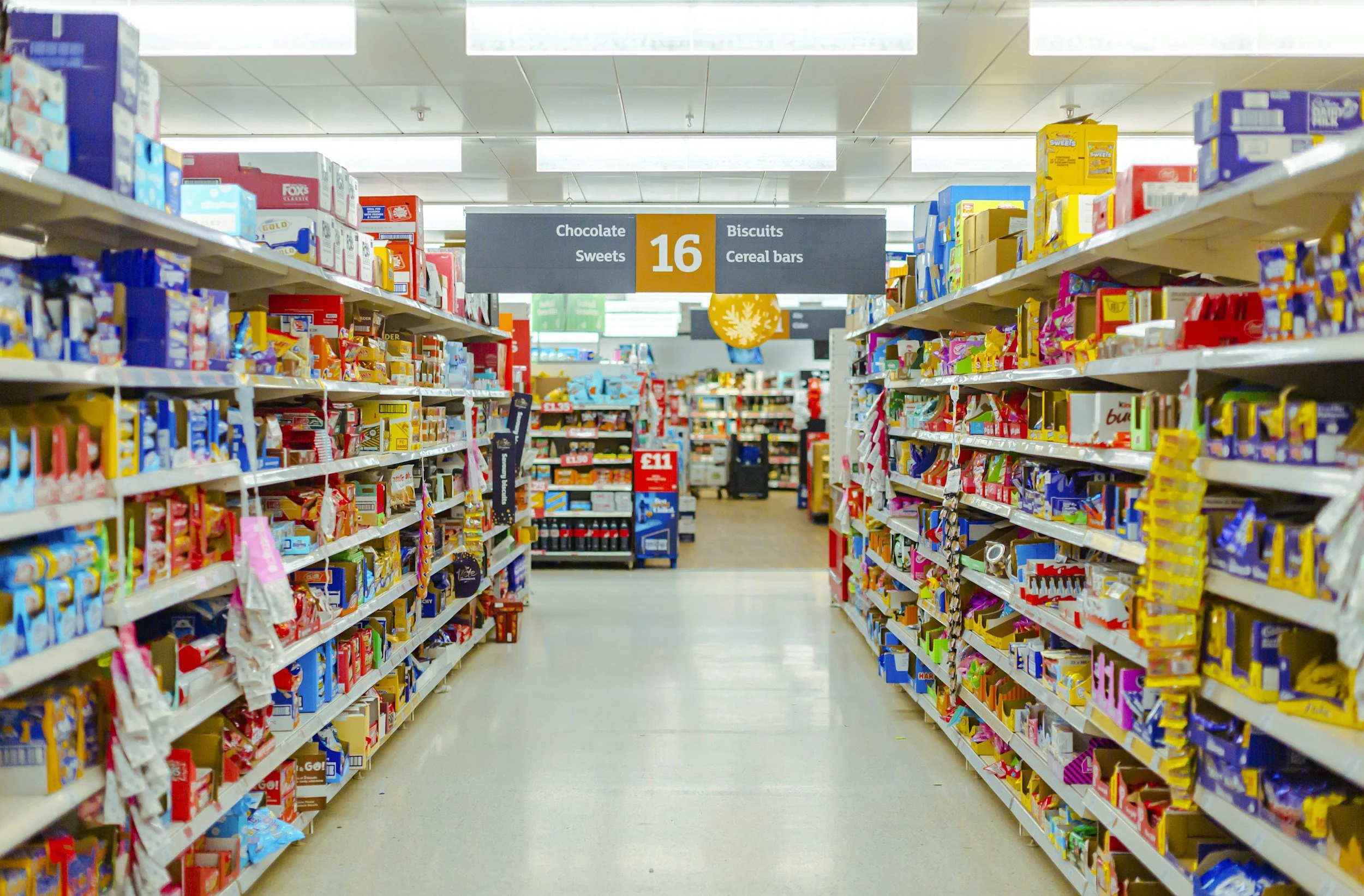
Just because it is labelled “high protein” doesn’t mean its healthy!
If you have been hanging out here for a while, you probably already know that I have been promoting a higher protein diet for riders for as long as I have been taking on personal training clients. So it would seem like I might be over the moon seeing a recent boom in the protein market… it has to be a good thing right? Well of course, like all good things it is nuanced and it depends!
I wanted to share with you why protein is important, some of my gripes about this trend, and some of my suggestions as to what will ACTUALLY move the needle when you are trying to incorporate more protein into your diet.
First off… why do we need protein? The short version is that protein is the material you need to build and maintain muscle. As active individuals, riders likely need a higher intake of protein than a sedentary or mildly active person. Eating enough means we can keep or even build muscle that we are training for, which is important for performance in the saddle and hunger and hormone control.
How much do we need? This is where a lot of people get confused. The recommendations have always been 0.8g/kg of bodyweight, which means for a 150lb person, roughly 55g of protein per day. However, these studies were not conducted to see what is best for us, they were conducted during war times to determine what the minimum would be for a persons survival. I think we all want to do more than merely survive, but this has long since been referenced as the number to shoot for. Actual effective doses of protein to build muscle and lose weight safely are closer to 1g per lb of bodyweight. That same 150lb person should actually be eating closer to 150g of protein per day! Nearly triple what we have previously believed.
This leads me to my beef with the high protein movement - it’s been coopted by the marketers. As soon as there is a food trend, you can count on marketers of the giant food companies to exploit it. Think back to all the claims you have seen in the past - low fat, low sugar, keto friendly, gluten free! If the population is talking about it, food companies will use it to sell you their products.
One example I really wanted to share with you is a popular cereal company, often trying to claim it’s a healthy option because it has oats in it (mixed with a ton of sugar and other additives). I kept seeing advertisements for their new “high protein” version of their cereal. When I started to look closer, the numbers were frankly insulting. First off, their marketing had a big label of “14g of protein per serving!”. If we look at what we actually need in a day, that would mean that 150g person would need to eat 11 servings of that cereal in a day to reach their goal protein. Doesn’t seem that high now does it? Next, I saw in the fine print…. the 14g of protein? It included the protein totals from the milk its served with. So now we are down to 6g of protein for the actual cereal. Yikes! If you don’t consume dairy due to an intolerance, are you getting any more protein than if you consumed the non-protein cereal? The answer was you got a whopping 1g more protein than if you consumed their standard cereal. Are they going to charge you more for it or give you less product for the same price? Absolutely! Are you getting any real value from it? Not at all. It is entirely marketing.
There are so many of these products on the shelves now. How are you supposed to parse out the products that will actually move the needle when it comes to hitting your protein goals?
Here are a couple of questions I would ask:
1) Is it a whole food? Food as close to its original form is always going to be best. Think meats, legumes, low sugar dairy. Shop the perimeter of the grocery store, or better yet go to local farmers markets if you have access. Fresh, quality food from the source doesn’t come with deceptive labels.
2) Is it ACTUALLY high protein in the context of your recommendations? I have had a few people tell me they have protein shakes as a meal when they can’t take the time to cook or sit down for a meal. It sounds like a good compromise until I look into the brand and see there were only 12g of protein in this shake. About the same as 2 eggs or a glass of milk (which is far less processed and cheaper too!). If you want to hit that 150g mark, you are looking at 3 meals of about 40g and 3 snacks of 10g. That shake is a snack at best!
3) How does it compare to the standard product? Like with that cereal, if there is only 1 or 2g more of protein than the non-protein version, you probably are wasting your money and hopes on it. Take a sandwich made on protein bread with a couple slices of lunch meat. I read the label of this bread and saw compared to standard white bread, it only contained an extra 4g of protein. You would be better off adding an extra slice of lunch meat than switching to protein bread. Or better yet, do what I do and batch cook chicken breast or thighs and use that in your sandwich instead of lunch meat. Way higher protein and way lower in preservatives. Yesterday I baked some fresh bread (salt, yeast and flour is all I needed) and turned old chicken into a chicken salad. It was so delicious and was much higher protein/lower preservatives than the previously described sandwich.
4) Would you be eating it anyway? There are so many unique products out there now to pick from that claim high protein. If you have decided to go high protein, I would take a look at what you already eat and see if there is a way to improve it. So if you are not someone who likes shakes or bars, why add protein shakes or bars to your diet? Just because it says high protein doesnt mean you have to eat it. If you like eating meat, add more meat. If you like yogourt, switch it to greek or skyr. If you like brownies… blackbean brownies! You get the picture. Someone might come out with high protein doritos but I absolutely hate doritos, you know I wont be going near them no matter how much protein I need! If you love pasta and want to make it a little better, yeah, go ahead and get the protein pasta!
5) What else are you getting with the protein? I see a lot of advertisements for protein coffees at the major chains. While I think that is a great way to add in some protein if you are running short, most of these come with a lot of added sugars and ingredients to alter the texture. In fact, I tried ordering one the other day and the default was 3 pumps of vanilla sugar syrup. You could ask for it to use the sugar free syrups, but if you dont know you might just assume the “health” drink takes all metrics into consideration. It doesn’t. If you are a black coffee kind of person, turning it into a protein latte could actually be worse - protein satiates, sugar increases hunger. Why pit them against each other? Get that black coffee with a side of egg bites instead or add your own collagen powder into the coffee (collagen will dissolve into coffee nicely).
Now, I realize now that you are probably starting to get mad at “the man” like me. I really don’t want to be sold garbage and told its treasure. I hope those tips will help you make good decisions about how to pick and choose the right proteins for you. I also want to leave you with some positives as I realize that learning about these marketing gimmicks may be bumming you out. Here are a few non-recipe recipes of things I have eaten in the last week or so that get me to my protein goals and have been well received by my family. Lots of whole foods in there for you but also some of the processed foods that I decided are worth it for me.
Protein pasta bake - protein pasta (uses chickpea and pea flours) with heaps of lean ground beef, cottage cheese, mixed frozen veggies, tossed in tomato sauce and baked with some cheddar cheese on top
My daily breakfast - 3 eggs scrambled with protein enhanced milk (this generally adds more skim milk powder to standard milk), turkey sausages, fresh fruit, and a ramekin size bowl of cottage cheese or skyr yogourt
Chicken wrap - leftover chicken thighs or breast, lettuce and tomato, a bit of cheese, wrapped in a protein tortilla (uses pea flours) and whatever sauce I have handy - pesto, chipotle mayo, I have even made a mango salsa that was mmmmmm perfection in a wrap!
Chicken Salad - chop up cooked chicken breasts and mix with some mayo and dijon mustard. Add in herbs and aromatic veggies. I just pick whatever is abundant in my garden (yesterday was dill and green onions). Chopped capers give it great flavour. Sometimes I grate dill pickles too. Fine dice veggies like celery and red peppers. I even put some frozen corn yesterday that added a nice sweet crunch.
Meal kits - not the most exciting thing but I have these little bento boxes that I fill up once a week. Three compartments that I fill with meat/fish, carbs, and veggies. I make about a dozen or so when batch cooking and my spouse and I just pull them out when we are hungry, nuke them in the microwave, add a sauce, and we are good to go
Now I want to remind you, if you have been hearing the advertisements and wanting to increase your protein, this is ABSOLUTELY a good thing. The protein movement is actually rooted in science and is absolutely worth pursuing. I do not want to discourage you from this. I do want to support you in how to parse out marketing hype vs true value. I want your efforts to be rewarded.
If you need some support, I am here in a couple of ways. I have a few spots available for one on one personal training with a focus on muscle building for equestrians. Just shoot me an email and let me know you want a consultation, consultation is always free. I work both online and in person in West Grey, Ontario (we will soon have the gym set up in the barn!). Secondly, our little flock of free range chickens are producing some incredible eggs… more than I can eat. If you are local and want the best eggs you will ever taste, come check out our self-service cooler roadside at 863 Douglas St, Durham.
Cheers!
Sarah